

Starring Greta Garbo, John Barrymore, Wallace Beery, Joan Crawford and Lionel Barrymore, Grand Hotel is the story of five very different people — a ballerina, a thief, a factory owner, his secretary and a dying man — who cross paths at a luxury hotel in Berlin with tragic consequences.
With its sumptuous art Deco sets and its foreign locale, Grand Hotel was about as far removed from the daily lives of the audiences who paid to see it as a movie could get, yet it was the highest grossing film of the year for MGM, one of the few studios to turn a profit during this particularly harsh year of the Depression.

Grand Hotel won for best picture despite failing to receive a single nomination in any other category.
The award for best actor went to both Fredric March (Dr. Jekyll and Mr. Hyde) and Wallace Beery (The Champ), the first tie in Oscar history.
It almost didn't turn out that way.
During the ceremony itself, Norma Shearer announced March alone as the winner. Moments later, the president of the Academy, Conrad Nagel, came on stage to announce that under Academy rules, candidates for an award who finished within three votes of each other were deemed to have tied. Beery, who had finished a single vote in back of March, came up on stage and accepted a second best actor trophy.

Whatever the truth, by 1935, the accounting firm of Price Waterhouse would begin tabulating and certifying the results, another step out of Louis B. Mayer's smoke-filled office into the fresh air of Oscar democracy.

We here at the Monkey have no such agenda.

Oh, well, that's what alternate Oscars are for.
Lot of good movies came out between August 1, 1931, and July 31, 1932, including Dr. Jekyll and Mr. Hyde, Frankenstein, Freaks, the aforementioned Grand Hotel, Monkey Business, The Music Box, Private Lives, Scarface, Waterloo Bridge ...
My picks:
1931-32
PICTURE (Drama)
winner: Frankenstein (prod. Carl Laemmle, Jr.)
nominees: Dr. Jekyll and Mr. Hyde (prod. Rouben Mamoulian); Freaks (prod. Tod Browning); Grand Hotel (prod. Irving Thalberg); Scarface (prod. Howard Hughes); Waterloo Bridge (prod. Carl Laemmle Jr.)

PICTURE (Comedy/Musical)
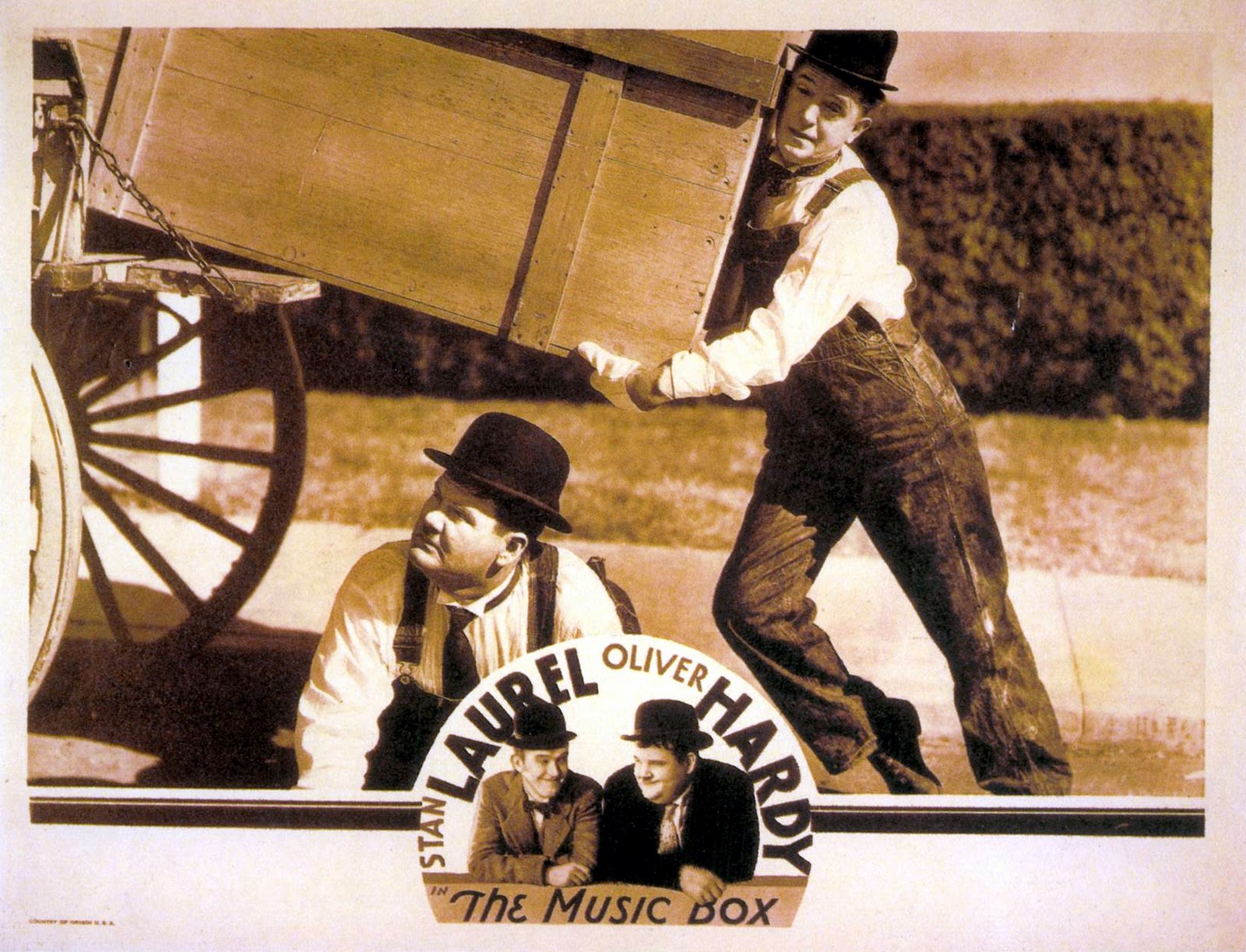
winner: The Music Box (prod. Hal Roach)
nominees: Monkey Business (prod. Herman J. Mankiewicz); Private Lives (prod. Irving Thalberg); The Smiling Lieutenant (prod. Ernst Lubitsch)
PICTURE (Foreign Language)
winner: À Nous La Liberté (prod. Frank Clifford)
nominees: La Chienne (prod. Pierre Braunberger and Roger Richebé); I Was Born, But ... (prod. Shochiku); Mädchen in Uniform (prod. Carl Froelich and Friedrich Pflughaupt); Marius (prod. Robert Kane and Marcel Pagnol)

ACTOR (Drama)
winner: Fredric March (Dr. Jekyll And Mr. Hyde)
nominees: John Barrymore (Grand Hotel); Lionel Barrymore (Grand Hotel); Wallace Beery (The Champ); Colin Clive (Frankenstein); Paul Muni (Scarface); Edward G. Robinson (Five Star Final); Warren William (Skyscraper Souls)

ACTOR (Comedy/Musical)
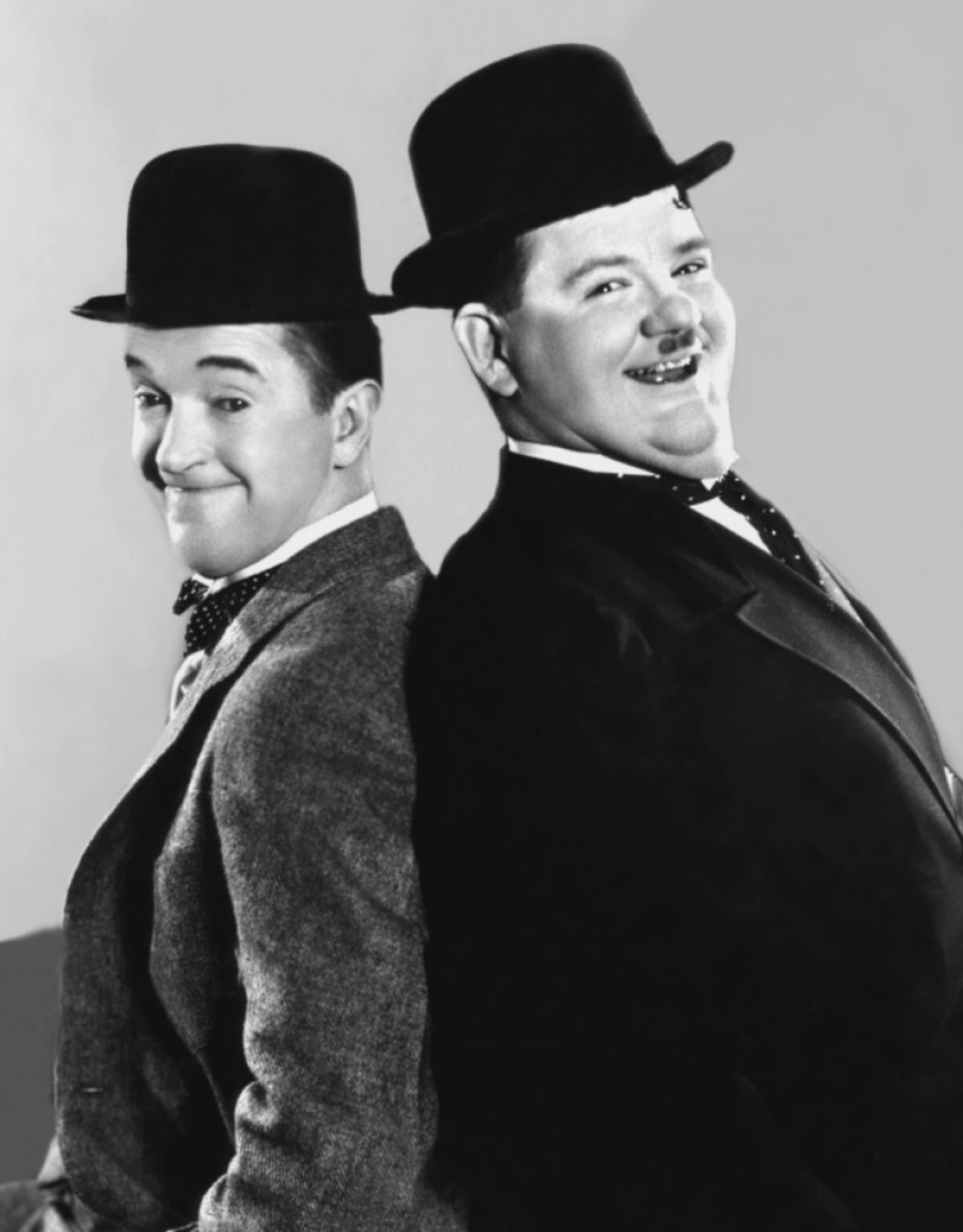
winner: Stan Laurel and Oliver Hardy (The Music Box)
nominees: James Cagney (Blonde Crazy); Maurice Chevalier (The Smiling Lieutenant and One Hour With You); The Marx Brothers (Monkey Business); Robert Montgomery (Private Lives)
ACTRESS (Drama)
winner: Mae Clarke (Waterloo Bridge)
nominees: Constance Bennett (What Price Hollywood?); Joan Crawford (Grand Hotel); Marlene Dietrich (Shanghai Express); Greta Garbo (Susan Lenox (Her Fall and Rise), Mata Hari, Grand Hotel and As You Desire Me); Helen Hayes (The Sin of Madelon Claudet and Arrowsmith); Barbara Stanwyck (The Miracle Woman); Dorothea Wieck (Mädchen in Uniform)

ACTRESS (Comedy/Musical)
winner: Norma Shearer (Private Lives)
nominees: Joan Blondell (Blonde Crazy); Claudette Colbert (The Smiling Lieutenant); Lynn Fontanne (The Guardsman); Jean Harlow (Platinum Blonde and Red-Headed Woman)

DIRECTOR (Drama)
winner: Tod Browning (Freaks)
nominees: Edmund Goulding (Grand Hotel); Howard Hawks (Scarface); Rouben Mamoulian (Dr. Jekyll And Mr. Hyde); James Whale (Frankenstein and Waterloo Bridge)

DIRECTOR (Comedy/Musical)
winner: René Clair (À Nous La Liberté)
nominees: Sidney Franklin (The Guardsman and Private Lives); Ernst Lubitsch (The Smiling Lieutenant and One Hour With You); Yasujirô Ozu (I Was Born, But ...); James Parrott (The Music Box)

SUPPORTING ACTOR (Drama)
winner: George Raft (Scarface)
nominees: Boris Karloff (Frankenstein); Lewis Stone (The Sin of Madelon Claudet, Mata Hari and Grand Hotel)

SUPPORTING ACTOR (Comedy/Musical)
winner: Roland Young (The Guardsman and One Hour With You)
nominees: Raimu (Marius)

SUPPORTING ACTRESS (Drama)
winner: Miriam Hopkins (Dr. Jekyll And Mr. Hyde)
nominees: Ann Dvorak (Scarface); Aline MacMahon (Five Star Final); Anna May Wong (Shanghai Express)

SUPPORTING ACTRESS (Comedy/Musical)
winner: Thelma Todd (Monkey Business)
nominees: Miriam Hopkins (The Smiling Lieutenant); Una Merkel (Private Lives and Red-Headed Woman)

SCREENPLAY
winner: Ben Hecht; continuity and dialogue by Seton I. Miller, John Lee Mahin and W.R. Burnett; from a novel by Armitage Trail (Scarface)
nominees: René Clair (À Nous La Liberté); Frances Marion (story), Leonard Praskins (dialogue continuity) and Wanda Tuchock (additional dialogue) (The Champ); Garrett Fort and Francis Edward Faragoh (screenplay), adaptation by John L. Balderston, from the novel Frankenstein: or, The Modern Prometheus by Mary Shelley and the play Frankenstein: An Adventure in the Macabre by Peggy Webling (Frankenstein); Christa Winsloe and Friedrich Dammann (as F.D. Andam); from the play by Christa Winsloe (Mädchen in Uniform); S.J. Perelman and Will B. Johnstone (screenplay); Arthur Sheekman (additional dialogue) (Monkey Business)

SPECIAL AWARDS
Lee Garmes (Shanghai Express and Scarface) (Cinematography); C. Roy Hunter (Frankenstein) (Sound); Charles D. Hall and Kenneth Strickfaden (Frankenstein) (Art Direction-Set Decoration); Jack Pierce and Pauline Eells (Frankenstein) (Makeup); Wally Westmore (Dr. Jekyll and Mr. Hyde) (Special Effects)






 Posts
Posts


No comments:
Post a Comment