skip to main |
skip to sidebar

Starring Greta Garbo, John Barrymore, Wallace Beery, Joan Crawford and Lionel Barrymore, Grand Hotel is the story of five very different people — a ballerina, a thief, a factory owner, his secretary and a dying man — who cross paths at a luxury hotel in Berlin with tragic consequences.
With its sumptuous art Deco sets and its foreign locale, Grand Hotel was about as far removed from the daily lives of the audiences who paid to see it as a movie could get, yet it was the highest grossing film of the year for MGM, one of the few studios to turn a profit during this particularly harsh year of the Depression.
On November 18, 1932, the Academy named Grand Hotel the best movie of the year, a triumph for producer Irving Thalberg who had bought the rights to Vicki Baum's 1929 novel and shepherded it through every stage of production, honing the screenplay, choosing the cast and putting his personal stamp on the film's every detail.
Grand Hotel won for best picture despite failing to receive a single nomination in any other category.
The award for best actor went to both Fredric March (Dr. Jekyll and Mr. Hyde) and Wallace Beery (The Champ), the first tie in Oscar history.
It almost didn't turn out that way.
During the ceremony itself, Norma Shearer announced March alone as the winner. Moments later, the president of the Academy, Conrad Nagel, came on stage to announce that under Academy rules, candidates for an award who finished within three votes of each other were deemed to have tied. Beery, who had finished a single vote in back of March, came up on stage and accepted a second best actor trophy.
The only problem was, while such a rule had been in place the year before, it had been discarded before the 1932 ceremony. Stories abound regarding the backstage shenanigans that resulted in the tie, the most fun of which is that Beery was so incensed at losing to March, he went to MGM studio chief Louis B. Mayer and insisted he be given an Oscar, too.
Whatever the truth, by 1935, the accounting firm of Price Waterhouse would begin tabulating and certifying the results, another step out of Louis B. Mayer's smoke-filled office into the fresh air of Oscar democracy.
The best actress trophy went to Helen Hayes, a Broadway legend making her film debut in The Sin of Madelon Claudet, a 75-minute super-soaper about a woman who has a child out of wedlock and then endures unimaginable hardships to care for a son who doesn't know she exists. Her performance was a bit stagy and theatrical, not bad, not great, but her pedigree appealed to Oscar voters who were eager to promote movies — thought of as lowbrow entertainment for the masses — as the equal of the "legitimate" theater.
We here at the Monkey have no such agenda.
The only real horror among the major winners was Frank Borzage who picked up his second career Oscar, this time for directing Bad Girl, the story of a couple struggling through Depression-era difficulties — a jaded girl meets a cranky radio salesman, gets pregnant, then gets married — that turns into an idiot plot and fizzles, a damp squib now deservedly forgotten.
Oh, well, that's what alternate Oscars are for.
Lot of good movies came out between August 1, 1931, and July 31, 1932, including Dr. Jekyll and Mr. Hyde, Frankenstein, Freaks, the aforementioned Grand Hotel, Monkey Business, The Music Box, Private Lives, Scarface, Waterloo Bridge ...
My picks:
1931-32
PICTURE (Drama)
winner: Frankenstein (prod. Carl Laemmle, Jr.)
nominees: Dr. Jekyll and Mr. Hyde (prod. Rouben Mamoulian); Freaks (prod. Tod Browning); Grand Hotel (prod. Irving Thalberg); Scarface (prod. Howard Hughes); Waterloo Bridge (prod. Carl Laemmle Jr.)
PICTURE (Comedy/Musical)
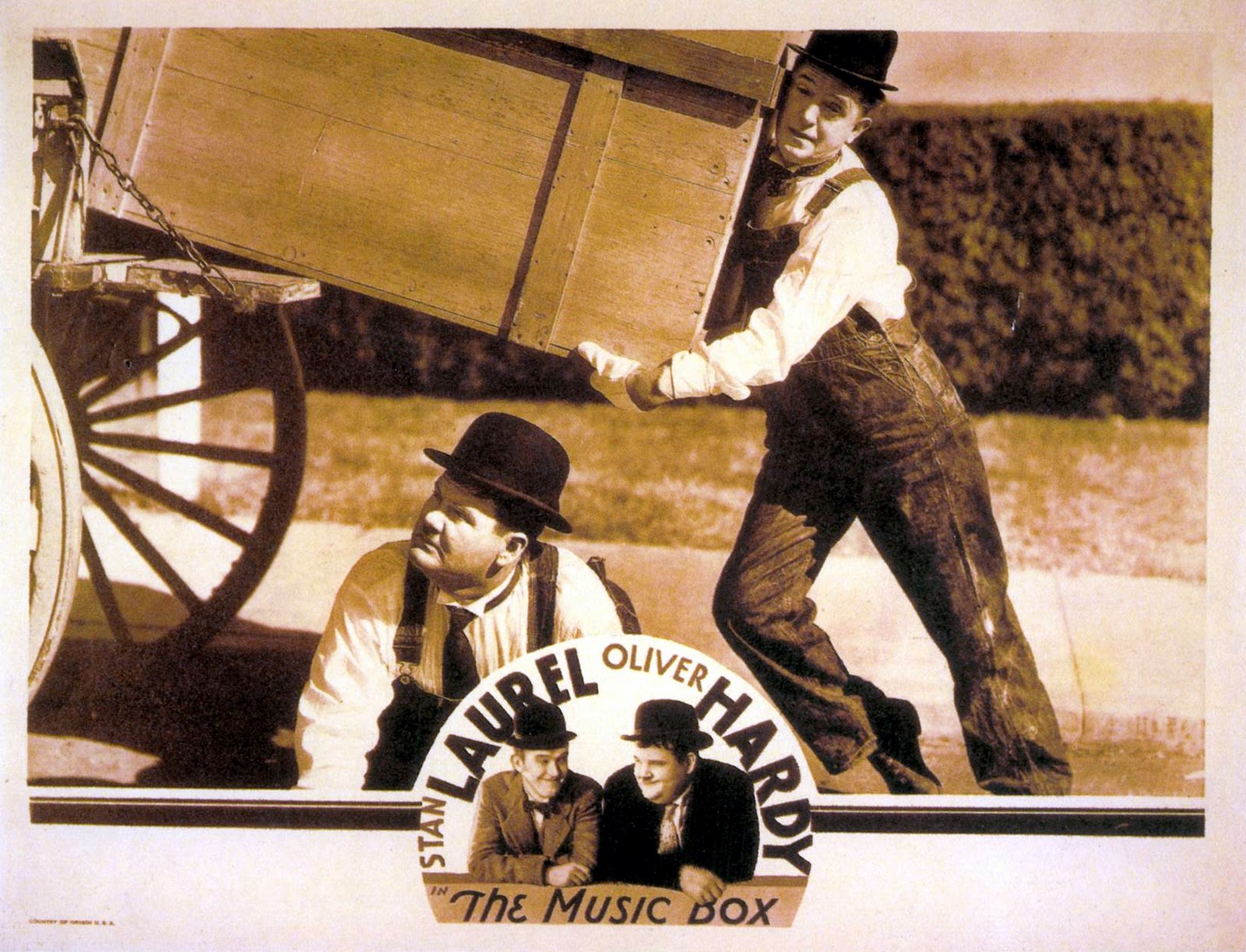
winner: The Music Box (prod. Hal Roach)
nominees: Monkey Business (prod. Herman J. Mankiewicz); Private Lives (prod. Irving Thalberg); The Smiling Lieutenant (prod. Ernst Lubitsch)
PICTURE (Foreign Language)
winner: À Nous La Liberté (prod. Frank Clifford)
nominees: La Chienne (prod. Pierre Braunberger and Roger Richebé); I Was Born, But ... (prod. Shochiku); Mädchen in Uniform (prod. Carl Froelich and Friedrich Pflughaupt); Marius (prod. Robert Kane and Marcel Pagnol)
ACTOR (Drama)
winner: Fredric March (Dr. Jekyll And Mr. Hyde)
nominees: John Barrymore (Grand Hotel); Lionel Barrymore (Grand Hotel); Wallace Beery (The Champ); Colin Clive (Frankenstein); Paul Muni (Scarface); Edward G. Robinson (Five Star Final); Warren William (Skyscraper Souls)
ACTOR (Comedy/Musical)
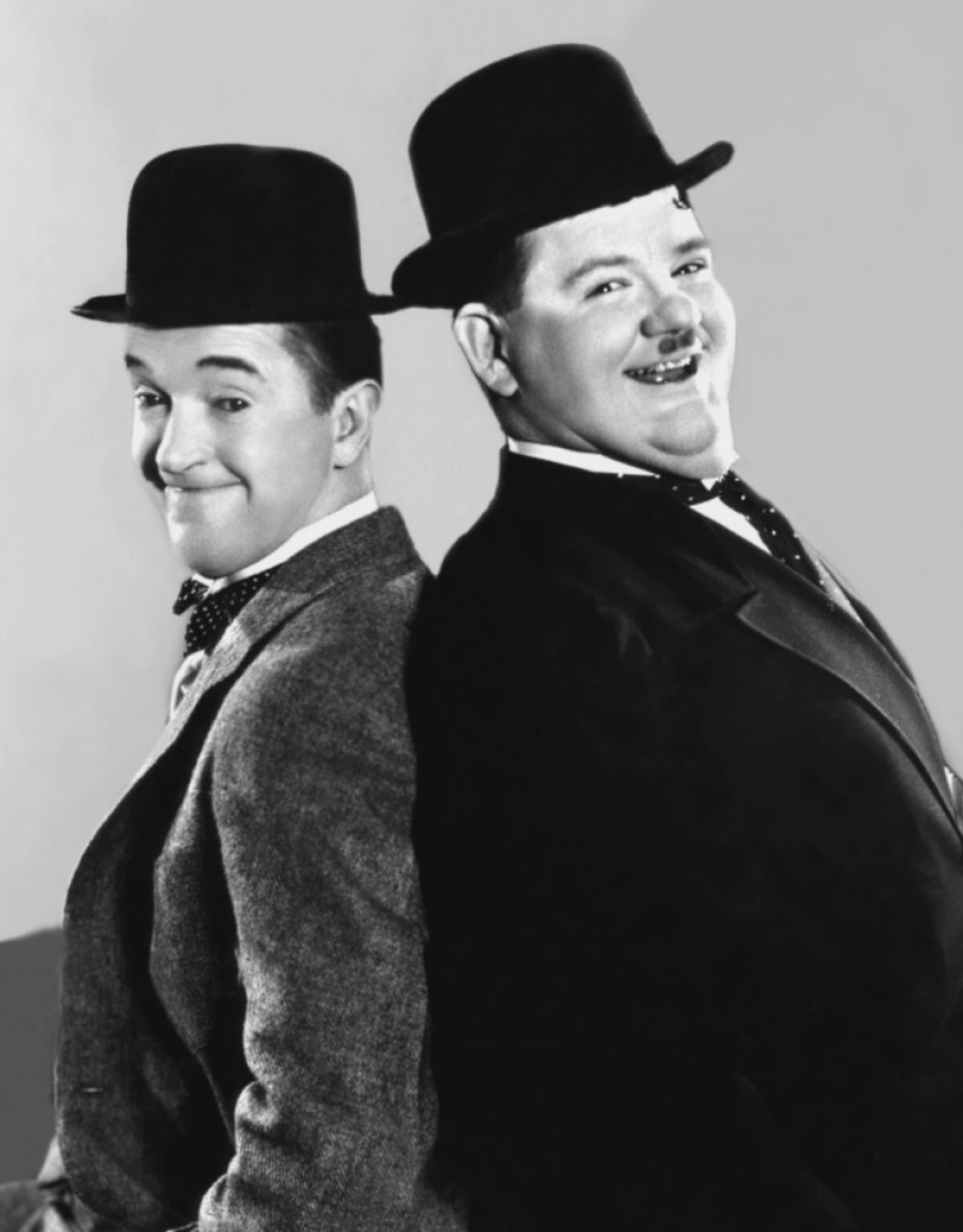
winner: Stan Laurel and Oliver Hardy (The Music Box)
nominees: James Cagney (Blonde Crazy); Maurice Chevalier (The Smiling Lieutenant and One Hour With You); The Marx Brothers (Monkey Business); Robert Montgomery (Private Lives)
ACTRESS (Drama)
winner: Mae Clarke (Waterloo Bridge)
nominees: Constance Bennett (What Price Hollywood?); Joan Crawford (Grand Hotel); Marlene Dietrich (Shanghai Express); Greta Garbo (Susan Lenox (Her Fall and Rise), Mata Hari, Grand Hotel and As You Desire Me); Helen Hayes (The Sin of Madelon Claudet and Arrowsmith); Barbara Stanwyck (The Miracle Woman); Dorothea Wieck (Mädchen in Uniform)
ACTRESS (Comedy/Musical)
winner: Norma Shearer (Private Lives)
nominees: Joan Blondell (Blonde Crazy); Claudette Colbert (The Smiling Lieutenant); Lynn Fontanne (The Guardsman); Jean Harlow (Platinum Blonde and Red-Headed Woman)
DIRECTOR (Drama)
winner: Tod Browning (Freaks)
nominees: Edmund Goulding (Grand Hotel); Howard Hawks (Scarface); Rouben Mamoulian (Dr. Jekyll And Mr. Hyde); James Whale (Frankenstein and Waterloo Bridge)
DIRECTOR (Comedy/Musical)
winner: René Clair (À Nous La Liberté)
nominees: Sidney Franklin (The Guardsman and Private Lives); Ernst Lubitsch (The Smiling Lieutenant and One Hour With You); Yasujirô Ozu (I Was Born, But ...); James Parrott (The Music Box)
SUPPORTING ACTOR (Drama)
winner: George Raft (Scarface)
nominees: Boris Karloff (Frankenstein); Lewis Stone (The Sin of Madelon Claudet, Mata Hari and Grand Hotel)
SUPPORTING ACTOR (Comedy/Musical)
winner: Roland Young (The Guardsman and One Hour With You)
nominees: Raimu (Marius)
SUPPORTING ACTRESS (Drama)
winner: Miriam Hopkins (Dr. Jekyll And Mr. Hyde)
nominees: Ann Dvorak (Scarface); Aline MacMahon (Five Star Final); Anna May Wong (Shanghai Express)
SUPPORTING ACTRESS (Comedy/Musical)
winner: Thelma Todd (Monkey Business)
nominees: Miriam Hopkins (The Smiling Lieutenant); Una Merkel (Private Lives and Red-Headed Woman)
SCREENPLAY
winner: Ben Hecht; continuity and dialogue by Seton I. Miller, John Lee Mahin and W.R. Burnett; from a novel by Armitage Trail (Scarface)
nominees: René Clair (À Nous La Liberté); Frances Marion (story), Leonard Praskins (dialogue continuity) and Wanda Tuchock (additional dialogue) (The Champ); Garrett Fort and Francis Edward Faragoh (screenplay), adaptation by John L. Balderston, from the novel Frankenstein: or, The Modern Prometheus by Mary Shelley and the play Frankenstein: An Adventure in the Macabre by Peggy Webling (Frankenstein); Christa Winsloe and Friedrich Dammann (as F.D. Andam); from the play by Christa Winsloe (Mädchen in Uniform); S.J. Perelman and Will B. Johnstone (screenplay); Arthur Sheekman (additional dialogue) (Monkey Business)
SPECIAL AWARDS
Lee Garmes (Shanghai Express and Scarface) (Cinematography); C. Roy Hunter (Frankenstein) (Sound); Charles D. Hall and Kenneth Strickfaden (Frankenstein) (Art Direction-Set Decoration); Jack Pierce and Pauline Eells (Frankenstein) (Makeup); Wally Westmore (Dr. Jekyll and Mr. Hyde) (Special Effects)

They didn't wait long to see the results of the new system, holding the next ceremony just seven months later, the only time in Oscar history awards were handed out twice in the same calendar year.
For a first exercise in democracy, the Academy did pretty well.
All Quiet On The Western Front — not just the best picture of the year, but one of the best pictures of any year — won both the top prize and an Oscar for its director, Lewis Milestone, the second Oscar of his career.
The Big House, a highly-regarded prison drama, nabbed a pair of awards, one for legendary screenwriter Frances Marion, the other for sound editor Douglas Shearer, the first of his fourteen career Oscars. And though I prefer Ronald Colman in his first talkie, George Arliss gave a solid performance in Disraeli, a role he had first crafted on Broadway.
The only controversy was generated by Norma Shearer's win for best actress in the movie The Divorcee.
"What do you expect," said Joan Crawford afterwards. "She sleeps with the boss," referring to Shearer's powerful husband, MGM producer Irving Thalberg.
Me, I like Norma. Well, pre-code Norma anyway. But more on that later ...
As I put together my own list of Katie Award winners, I realized that my only problem with All Quiet On The Western Front was that it was so good it obscured the fact that overall, 1929-30 was a very weak year for movies.
Silent films had all but disappeared from theaters, but unfortunately, the talkies that replaced them were saddled with a primitive technology that practically bolted the camera and the actors to the floor. Moreover, most directors clearly had no idea what to do with sound, treating it as a novelty rather than an opportunity, sticking in a song or two, or worse going overboard and cramming every nook and cranny with talk-talk-talk.
Things would get better ...
As always, click on the highlighted link to read more ...
1929-30
PICTURE (Drama)
winner: All Quiet On The Western Front (prod. Carl Laemmle, Jr.)
nominees: Anna Christie (prod. Clarence Brown); The Big House (prod. Irving Thalberg); Bulldog Drummond (prod. Samuel Goldwyn); City Girl (prod. William Fox); A Cottage On Dartmoor (prod. H. Bruce Woolfe)
PICTURE (Comedy/Musical)
winner: The Cocoanuts (prod. Monta Bella)
nominees: Applause (prod. Monta Bell); Hallelujah! (prod. King Vidor); The Love Parade (prod. Ernst Lubitsch); The Skeleton Dance (prod. Walt Disney)
PICTURE (Foreign Language)
winner: Pandora's Box (prod. Heinz Landsmann)
nominees: The Blood Of A Poet (prod. Le Vicomte de Noailles); The Blue Angel (prod. Erich Pommer); Diary Of A Lost Girl (prod. Georg Wilhelm Pabst); Earth (prod. VUFKU); Under the Roofs Of Paris (prod. Films Sonores Tobis)
ACTOR (Drama)
winner: Ronald Colman (Bulldog Drummond)
nominees: George Arliss (Disraeli); Lew Ayres (All Quiet On The Western Front); Charles Farrell (Lucky Star); Emil Jannings (The Blue Angel); Uno Henning (A Cottage On Dartmoor)
ACTOR (Comedy/Musical)
winner: Maurice Chevalier (The Love Parade)
nominees: Douglas Fairbanks (The Taming of the Shrew); William Haines (Speedway, Navy Blues and The Girl Said No); The Marx Brothers (The Cocoanuts); Albert Préjean (Under The Roofs Of Paris)
ACTRESS (Drama)
winner: Louise Brooks (Pandora's Box and Diary Of A Lost Girl)
nominees: Nora Baring (A Cottage On Dartmoor); Marlene Dietrich (The Blue Angel); Greta Garbo (Anna Christie); Norma Shearer (The Divorcee)
ACTRESS (Comedy/Musical)
winner: Jeanette MacDonald (The Love Parade)
nominees: Helen Morgan (Applause); Mary Pickford (The Taming of the Shrew)
DIRECTOR (Drama)
winner: Lewis Milestone (All Quiet On The Western Front)
nominees: Anthony Asquith (A Cottage On Dartmoor); Aleksandr Dovzhenko (Earth); F.W. Murnau (City Girl); G.W. Pabst (Pandora's Box and Diary Of A Lost Girl); Josef von Sternberg (The Blue Angel)
DIRECTOR (Comedy/Musical)
winner: King Vidor (Hallelujah!)
nominees: René Clair (Under The Roofs Of Paris); Ernst Lubitsch (The Love Parade); Rouben Mamoulian (Applause)
SUPPORTING ACTOR (Drama)
winner: Louis Wolheim (All Quiet On The Western Front)
nominees: Claud Allister (Bulldog Drummond); Wallace Beery (The Big House); Douglas Fairbanks, Jr. (Our Modern Maidens); Francis Lederer (Pandora's Box); Robert Montgomery (The Divorcee, The Big House and Our Blushing Brides)
SUPPORTING ACTOR (Comedy/Musical)
winner: Lupino Lane (The Love Parade)
nominees: Gaston Madot (Under the Roofs of Paris)
SUPPORTING ACTRESS (Drama)
winner: Anita Page (Our Modern Maidens and Our Blushing Brides)
nominees: Marie Dressler (Anna Christie); Leila Hyams (The Big House); Beryl Mercer (All Quiet on the Western Front); Seena Owen (Queen Kelly); Lilyan Tashman (Bulldog Drummond)
SUPPORTING ACTRESS (Comedy/Musical)
winner: Nina Mae McKinney (Hallelujah!)
nominees: Margaret Dumont (The Cocoanuts)
SCREENPLAY
winner: George Abbott, Maxwell Anderson and Del Andrews; from a novel by Erich Maria Remarque (All Quiet On The Western Front)
nominees: Frances Marion; additional dialogue by Joseph Farnham and Martin Flavin (The Big House); Elliott Lester; adaptation and scenario by Marion Orth and Gerthold Viertel; titles by H.H. Caldwell and Katherine Hilliker (City Girl); Rudolf Leonhardt, from the novel by Margarete Böhme (Diary of a Lost Girl)
SPECIAL AWARDS
"Swanee Shuffle" (Hallelujah!) (Best Song); Arthur Edeson (All Quiet On The Western Front) (Cinematography); C. Roy Hunter and Lewis Milestone (All Quiet On The Western Front) (Special Achievement In The Use Of Sound)

None of this is meant to be taken seriously — just another Hollywood studio clucking its tongue at girls gone wild even as it exploited the phenomenon to rake in box office bucks.
What's not to like?
Although technically the film's lead, Crawford winds up playing second fiddle to Page.
Although she had only just celebrated her eighteenth birthday when the movie hit the theaters, Page is absolutely convincing in her ruthless pursuit of the man, first putting on an act of virginal innocence to entice him then exploiting him to the hilt after she lands him.
In the movie's penultimate scene, Page is drunk, evil and standing at the top of a staircase. No prizes for guessing what happens next.
"Our Dancing Daughters was my picture," Page said years later. "I say that because I did the acting. Joan Crawford danced her way through it. I acted my way through it."
Our Dancing Daughters was one of a series of Hollywood movies seeking to both exploit and condemn the Jazz Age flapper phenomenon. The script called for an undercurrent of tension between Page and Crawford and, boy, is there ever.
Years later, Page claimed Crawford physically assaulted her on the set but the mutual hatred didn't hurt their on-screen chemistry any. In fact, despite their mutual loathing, Page and Crawford made two more movies together, Our Modern Maidens and Our Blushing Brides, trading the good girl/bad girl roles back and forth, to great commercial, if not artistic, effect.
Page also starred in the year's Oscar winner for best picture, The Broadway Melody, and received over ten thousand fan letters a week, including nearly a hundred from fascist dictator Benito Mussolini who was infatuated with the young actress.
"Are you starting to believe your own publicity?" director Harry Beaumont asked Page during the filming of one of their six pictures together.
"Of course," she said, "Aren't you?"
In addition to The Broadway Melody and the Joan Crawford flapper trilogy, Page appeared in films with Lon Chaney, Buster Keaton and Clark Gable.
Page's final movie for MGM was 1932's Prosperity, starring Marie Dressler and Polly Moran. On the outs with studio head Louis B. Mayer after twice refusing to sleep with him (the second proposition made in the presence of Page's mother), Page served out the remaining years of her MGM contract on loan to poverty row studios, making such low-budget bombs as Jungle Bride and Hitch Hike To Heaven.
It was an ignominious end for an actress who just a couple of years before had been second only to Greta Garbo as the studio's top draw.
Page left Hollywood and married Navy flyer Herschel House in January 1937.
After his death, she began to make films again, mostly low-budget fare such as The Crawling Brain and Witchcraft XI.
On the 75th anniversary of the founding of the Academy of Motion Picture Arts and Sciences, Page received a standing ovation at a special screening of The Broadway Melody. She was the last surviving attendee of the first Oscar ceremony and died in 2008 at the age of ninety-eight.
January is Joan Crawford month on TCM and they're kicking it off Thursday night with what I call the Flapper Trilogy—Our Dancing Daughters (1928), Our Modern Maidens (1929) and Our Blushing Brides (1930). They are an exploitative hoot, with Hollywood clucking its moralizing tongue at the antics of girls gone wild while raking in box office bucks.
Look for Monkey favorite Anita Page in all three.
The fun starts at 9 p.m. EST on Thursday, January 2, 2014.

A few facts about silent film star Ramon Novarro:
● He was born José Ramón Gil Samaniego in Durango, Mexico, in 1899. At age fourteen, he moved with his family to Los Angeles to escape the Mexican Revolution.
● Novarro made his acting debut with an uncredited part as a starving peasant in Cecil B. DeMille's 1916 costume epic, Joan the Woman.
● After ten more small, usually uncredited bit roles between 1917 and 1921, Novarro scored his breakout role as Rupert of Hentzau in the 1922 version of The Prisoner of Zenda.
● Novarro's biggest role was the title character in Fred Niblo's silent classic, Ben-Hur: A Tale of the Christ. Among his silent works, I can also highly recommend Scaramouche and Ernst Lubitsch's The Student Prince in Old Heidelberg.
● As was the case with many actors of the time, his career suffered with the advent of the talkies. He made his talkie debut in 1929, and of these early efforts, I'd point you to 1931's Mati Hari in which he co-starred with an especially luminous Greta Garbo. MGM dropped his contract in 1935.
● Novarro was a devout Roman Catholic; he was also gay, and was tormented by the conflict between his sexuality and his religious beliefs. Nevertheless, he refused to enter into a sham marriage to satisfy the gossip columnists or his boss, Louis B. Mayer.
● Of his later movies, I am a big fan of his work in the 1949 comic noir The Big Steal, starring Robert Mitchum and Jane Greer. There he is a Mexican police inspector who plays cat-and-mouse with a thief and his pursuers. He also appeared in an episode of The Wild Wild West, a childhood favorite of mine.
● Novarro was brutally murdered in his home in 1968 by two male prostitutes who mistakenly believed Novarro had a large cache of money hidden in his home. They eventually made off with $20, were captured, convicted and served less than ten years each for their crimes.
● And while we're here, how about a few more photos of Ramon Novarro:
with Ernst Lubitsch:
with Joan Crawford:
with Norma Shearer:











 Posts
Posts

