skip to main |
skip to sidebar

If you said Mutiny on the Bounty, The Hunchback of Notre Dame, Witness for the Prosecution, or even his lone directorial effort, the classic film noir The Night of the Hunter, those are all good guesses.
They're also wrong.
No, the answer is The Private Life of Henry VIII, a 1933 dark comedy about divorce, beheadings, marriage, affairs, affairs of state — the sort of history lesson that might make knowledge cool again.
Ostensibly the true story of England's King Henry VIII, this is the sort of movie they promoted with the tagline "He gave his wives a pain in the neck and did his necking with an axe."
What this film knows about history wouldn't fill out the back flap of Henry's biography, but what it knows about people would fill volumes.
If I had to boil the plot down to a central throughline, it would be the efforts of Henry's fifth wife (Binnie Barnes) to become his third wife then his fourth wife. She's determined to put a ring on it no matter what the cost, and after watching Henry execute wife two, bury wife three and divorce wife four, finally gets the randy old goat ginned up enough to lose his head ... and loses her own in the process.
That Henry works as well as it does is largely thanks to Laughton's interpretation of the title character — no surprise there; he was a terrific actor.
As Laughton plays him, Henry is vain, buffoonish, dangerous, impetuous, larger than life, loving life, and ultimately, despite his tendency to separate his wives from their heads, sympathetic — an unwitting victim of women too clever for him by half.
In fact, most of what you think you know of Henry VIII as a personality comes not from the history books but from Laughton.
You can't take your eyes off him.
Look, I wouldn't watch this in lieu of studying for the A.P. history exam — there's no mention of the Pope, the Reformation, Sir Thomas More or any of the other things people write essays about. Instead it's all bedroom shenanigans and giant turkey legs. But who doesn't like bedroom shenanigans and giant turkey legs?
The film was a big hit in 1933 and made international stars of not only Charles Laughton, but also Merle Oberon, Elsa Lanchester and Robert Donat. And it made producer-director Alexander Korda synonymous with British sophistication.
Now I don't want to oversell Henry VIII. It's an early sound picture and suffers from the same problems that plague many movies of that era: it's static and stagy, and lacks a score (some producers thought audiences would get confused if they didn't understand "where" the music was coming from, which is why there are so many nightclubs, radios and kazoo bands in late 20s, early 30s pictures).
That said, any movie that can turn vice into a virtue and get laughs from chopping people's heads off is okay in my book.
If it shows up on TCM again, and you have 97 minutes to spare, give it a look — I think you'll get a kick out of it.

Starring Greta Garbo, John Barrymore, Wallace Beery, Joan Crawford and Lionel Barrymore, Grand Hotel is the story of five very different people — a ballerina, a thief, a factory owner, his secretary and a dying man — who cross paths at a luxury hotel in Berlin with tragic consequences.
With its sumptuous art Deco sets and its foreign locale, Grand Hotel was about as far removed from the daily lives of the audiences who paid to see it as a movie could get, yet it was the highest grossing film of the year for MGM, one of the few studios to turn a profit during this particularly harsh year of the Depression.
On November 18, 1932, the Academy named Grand Hotel the best movie of the year, a triumph for producer Irving Thalberg who had bought the rights to Vicki Baum's 1929 novel and shepherded it through every stage of production, honing the screenplay, choosing the cast and putting his personal stamp on the film's every detail.
Grand Hotel won for best picture despite failing to receive a single nomination in any other category.
The award for best actor went to both Fredric March (Dr. Jekyll and Mr. Hyde) and Wallace Beery (The Champ), the first tie in Oscar history.
It almost didn't turn out that way.
During the ceremony itself, Norma Shearer announced March alone as the winner. Moments later, the president of the Academy, Conrad Nagel, came on stage to announce that under Academy rules, candidates for an award who finished within three votes of each other were deemed to have tied. Beery, who had finished a single vote in back of March, came up on stage and accepted a second best actor trophy.
The only problem was, while such a rule had been in place the year before, it had been discarded before the 1932 ceremony. Stories abound regarding the backstage shenanigans that resulted in the tie, the most fun of which is that Beery was so incensed at losing to March, he went to MGM studio chief Louis B. Mayer and insisted he be given an Oscar, too.
Whatever the truth, by 1935, the accounting firm of Price Waterhouse would begin tabulating and certifying the results, another step out of Louis B. Mayer's smoke-filled office into the fresh air of Oscar democracy.
The best actress trophy went to Helen Hayes, a Broadway legend making her film debut in The Sin of Madelon Claudet, a 75-minute super-soaper about a woman who has a child out of wedlock and then endures unimaginable hardships to care for a son who doesn't know she exists. Her performance was a bit stagy and theatrical, not bad, not great, but her pedigree appealed to Oscar voters who were eager to promote movies — thought of as lowbrow entertainment for the masses — as the equal of the "legitimate" theater.
We here at the Monkey have no such agenda.
The only real horror among the major winners was Frank Borzage who picked up his second career Oscar, this time for directing Bad Girl, the story of a couple struggling through Depression-era difficulties — a jaded girl meets a cranky radio salesman, gets pregnant, then gets married — that turns into an idiot plot and fizzles, a damp squib now deservedly forgotten.
Oh, well, that's what alternate Oscars are for.
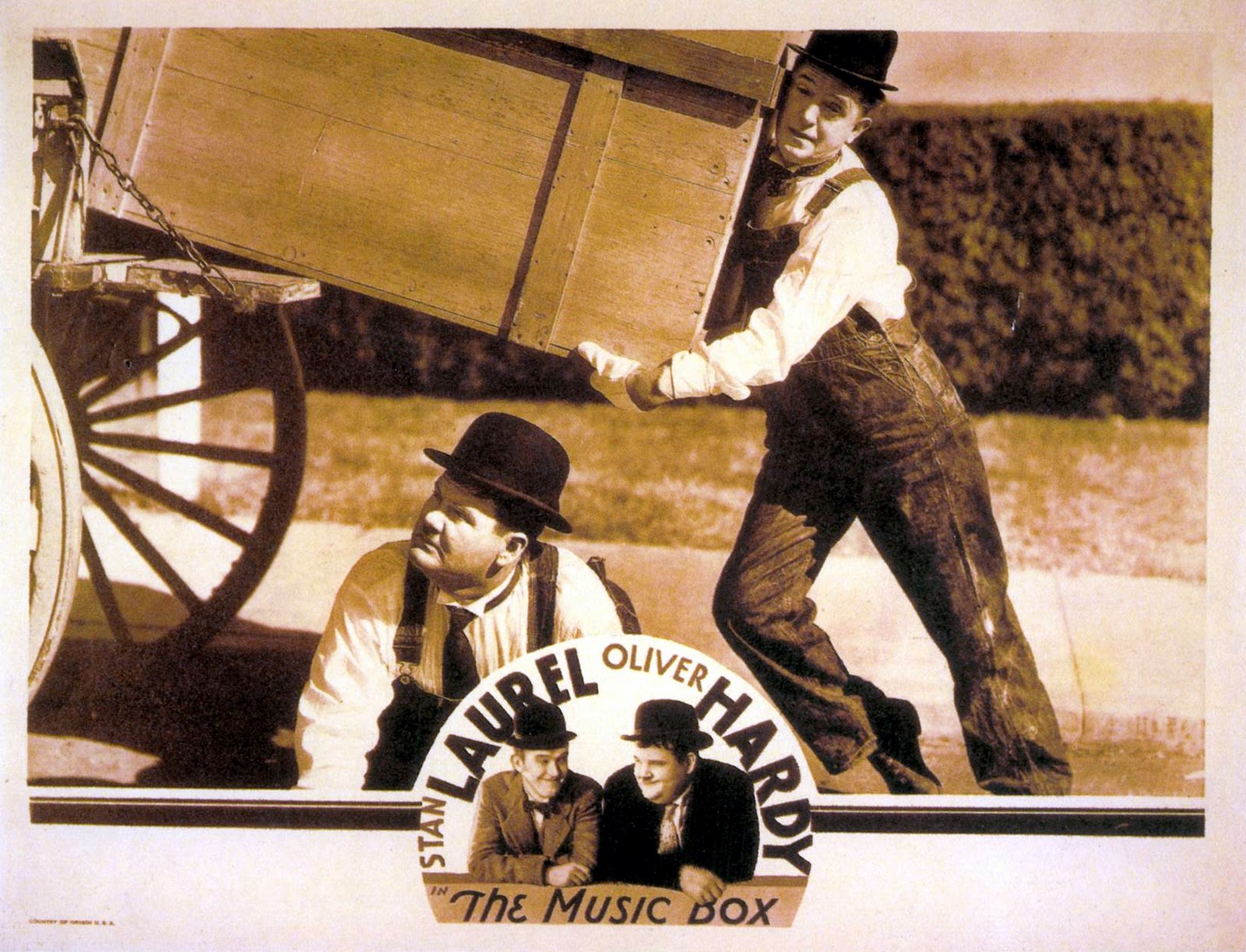
Lot of good movies came out between August 1, 1931, and July 31, 1932, including Dr. Jekyll and Mr. Hyde, Frankenstein, Freaks, the aforementioned Grand Hotel, Monkey Business, The Music Box, Private Lives, Scarface, Waterloo Bridge ...
My picks:
1931-32
PICTURE (Drama)
winner: Frankenstein (prod. Carl Laemmle, Jr.)
nominees: Dr. Jekyll and Mr. Hyde (prod. Rouben Mamoulian); Freaks (prod. Tod Browning); Grand Hotel (prod. Irving Thalberg); Scarface (prod. Howard Hughes); Waterloo Bridge (prod. Carl Laemmle Jr.)
PICTURE (Comedy/Musical)
winner: The Music Box (prod. Hal Roach)
nominees: Monkey Business (prod. Herman J. Mankiewicz); Private Lives (prod. Irving Thalberg); The Smiling Lieutenant (prod. Ernst Lubitsch)
PICTURE (Foreign Language)
winner: À Nous La Liberté (prod. Frank Clifford)
nominees: La Chienne (prod. Pierre Braunberger and Roger Richebé); I Was Born, But ... (prod. Shochiku); Mädchen in Uniform (prod. Carl Froelich and Friedrich Pflughaupt); Marius (prod. Robert Kane and Marcel Pagnol)
ACTOR (Drama)
winner: Fredric March (Dr. Jekyll And Mr. Hyde)
nominees: John Barrymore (Grand Hotel); Lionel Barrymore (Grand Hotel); Wallace Beery (The Champ); Colin Clive (Frankenstein); Paul Muni (Scarface); Edward G. Robinson (Five Star Final); Warren William (Skyscraper Souls)
ACTOR (Comedy/Musical)
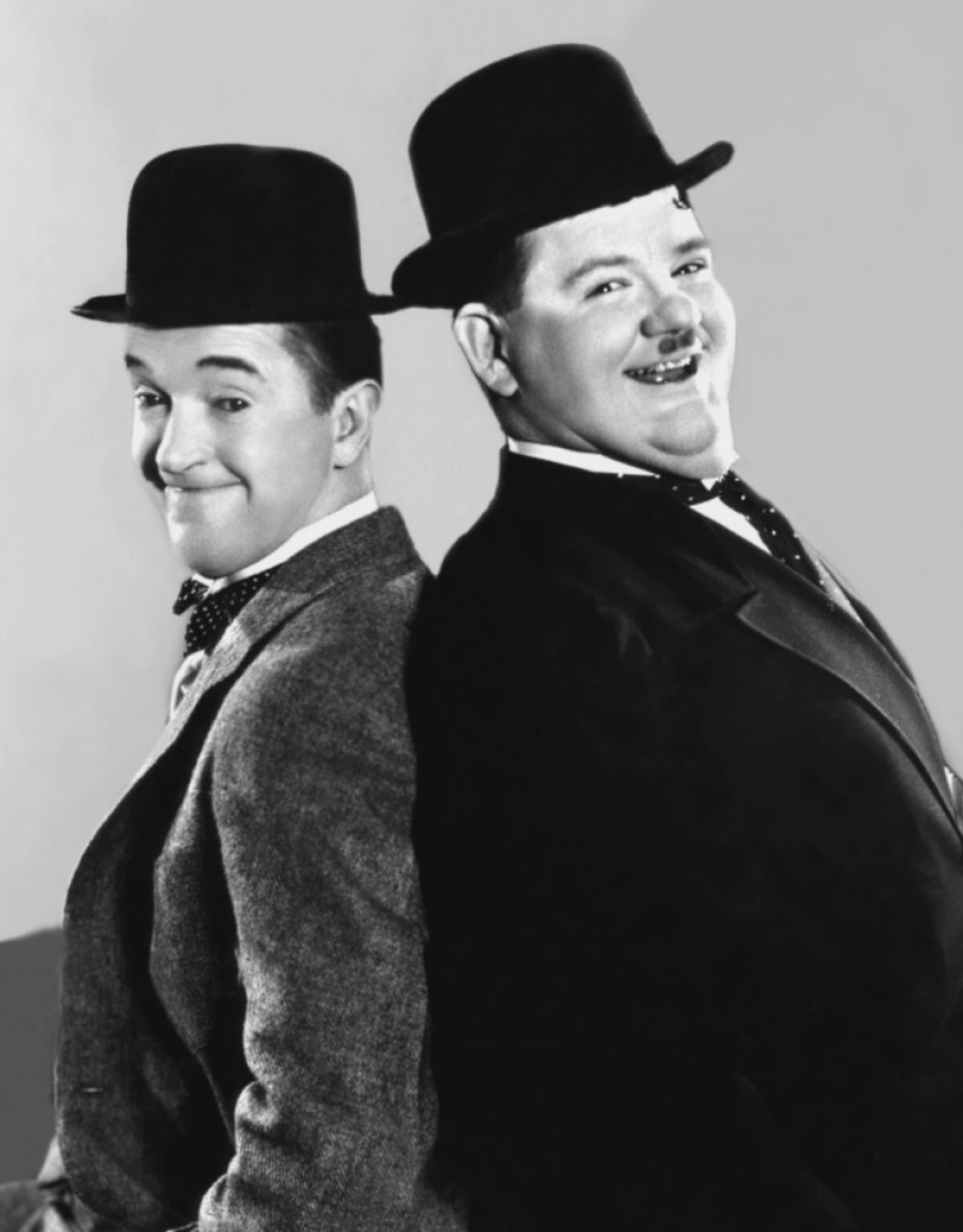
winner: Stan Laurel and Oliver Hardy (The Music Box)
nominees: James Cagney (Blonde Crazy); Maurice Chevalier (The Smiling Lieutenant and One Hour With You); The Marx Brothers (Monkey Business); Robert Montgomery (Private Lives)
ACTRESS (Drama)
winner: Mae Clarke (Waterloo Bridge)
nominees: Constance Bennett (What Price Hollywood?); Joan Crawford (Grand Hotel); Marlene Dietrich (Shanghai Express); Greta Garbo (Susan Lenox (Her Fall and Rise), Mata Hari, Grand Hotel and As You Desire Me); Helen Hayes (The Sin of Madelon Claudet and Arrowsmith); Barbara Stanwyck (The Miracle Woman); Dorothea Wieck (Mädchen in Uniform)
ACTRESS (Comedy/Musical)
winner: Norma Shearer (Private Lives)
nominees: Joan Blondell (Blonde Crazy); Claudette Colbert (The Smiling Lieutenant); Lynn Fontanne (The Guardsman); Jean Harlow (Platinum Blonde and Red-Headed Woman)
DIRECTOR (Drama)
winner: Tod Browning (Freaks)
nominees: Edmund Goulding (Grand Hotel); Howard Hawks (Scarface); Rouben Mamoulian (Dr. Jekyll And Mr. Hyde); James Whale (Frankenstein and Waterloo Bridge)
DIRECTOR (Comedy/Musical)
winner: René Clair (À Nous La Liberté)
nominees: Sidney Franklin (The Guardsman and Private Lives); Ernst Lubitsch (The Smiling Lieutenant and One Hour With You); Yasujirô Ozu (I Was Born, But ...); James Parrott (The Music Box)
SUPPORTING ACTOR (Drama)
winner: George Raft (Scarface)
nominees: Boris Karloff (Frankenstein); Lewis Stone (The Sin of Madelon Claudet, Mata Hari and Grand Hotel)
SUPPORTING ACTOR (Comedy/Musical)
winner: Roland Young (The Guardsman and One Hour With You)
nominees: Raimu (Marius)
SUPPORTING ACTRESS (Drama)
winner: Miriam Hopkins (Dr. Jekyll And Mr. Hyde)
nominees: Ann Dvorak (Scarface); Aline MacMahon (Five Star Final); Anna May Wong (Shanghai Express)
SUPPORTING ACTRESS (Comedy/Musical)
winner: Thelma Todd (Monkey Business)
nominees: Miriam Hopkins (The Smiling Lieutenant); Una Merkel (Private Lives and Red-Headed Woman)
SCREENPLAY
winner: Ben Hecht; continuity and dialogue by Seton I. Miller, John Lee Mahin and W.R. Burnett; from a novel by Armitage Trail (Scarface)
nominees: René Clair (À Nous La Liberté); Frances Marion (story), Leonard Praskins (dialogue continuity) and Wanda Tuchock (additional dialogue) (The Champ); Garrett Fort and Francis Edward Faragoh (screenplay), adaptation by John L. Balderston, from the novel Frankenstein: or, The Modern Prometheus by Mary Shelley and the play Frankenstein: An Adventure in the Macabre by Peggy Webling (Frankenstein); Christa Winsloe and Friedrich Dammann (as F.D. Andam); from the play by Christa Winsloe (Mädchen in Uniform); S.J. Perelman and Will B. Johnstone (screenplay); Arthur Sheekman (additional dialogue) (Monkey Business)
SPECIAL AWARDS
Lee Garmes (Shanghai Express and Scarface) (Cinematography); C. Roy Hunter (Frankenstein) (Sound); Charles D. Hall and Kenneth Strickfaden (Frankenstein) (Art Direction-Set Decoration); Jack Pierce and Pauline Eells (Frankenstein) (Makeup); Wally Westmore (Dr. Jekyll and Mr. Hyde) (Special Effects)
August 1, 1930-to-July 31, 1931, was one of those movie years where the list of the Academy's nominees and winners would give you a completely distorted idea of what was actually going on in movie history.
1931 was a pivotal year. James Cagney, Edward G. Robinson and Clark Gable all went from bit players to stars within the space of twelve months and in so doing, they gave the cinema a distinctly American feel for the first time. Instead of actors aping polished stage performers with British or faux-British accents, audiences heard the inflections and rhythms of urban wise guys like Cagney and Gable, or in the case of Robinson — who was born in Romania and raised in New York's Lower East Side — the voice of the American immigrant experience.
Gangster pictures starring Cagney and Robinson — The Public Enemy and Little Caesar, respectively — proved to be big, if controversial, hits with both critics and audiences. Censors were not so thrilled, however, contending that the films (and Howard Hawks's Scarface the following year) glamorized crime.
Hollywood, as usual, proved to be of two minds on the subject, happy to bank the money that was rolling in while paying lip service at Oscar time to the notion that gangster pictures were bad for us.
It was the same story with Universal's cycle of great horror pictures, which began in 1931 with Dracula, and continued in November of that year (too late for an Oscar nomination) with Frankenstein. Their stars, Bela Lugosi and Boris Karloff, would dominate the genre and box office for years to come without either ever receiving any recognition from the Academy.
There was also the groundbreaking western The Big Trail, starring an impossibly young John Wayne and featuring the first widescreen movie in history.
And, of course, Groucho Marx gave us what was perhaps the most famous monologue of his career, confessing to audiences, "One morning I shot an elephant in my pajamas. How he got in my pajamas, I don't know."
If, however, you look at the list of winners and nominees from the Academy Award ceremony held on November 10, 1931, you won't see any of these films or performers:
Picture: Cimarron
Actor: Lionel Barrymore (A Free Soul)
Actress: Marie Dressler (Min and Bill)
Director: Norman Taurog (Skippy)
Admittedly, although the Academy failed to recognize the revolution in their midst, Cimarron makes sense in the context of the times — it was based on a best-selling novel, critics loved it, and helped sell the notion that movies were high art. Not to mention the opening sequence is spectacular.
As for Marie Dressler and Lionel Barrymore, they were big stars and turned in good performances in solid films.
The only truly inexplicable award went to Norman Taurog for his direction of the comedy Skippy.
Skippy is pleasant enough, with a fine performance from child star Jackie Cooper, but in terms of what went on in the director's chair, it isn't much unless you count Taurog's threat to shoot Cooper's dog if the kid didn't cry on cue (he cried buckets and earned an Oscar nomination).
Nothing compared to the accomplishments of Charlie Chaplin and René Clair, who were eligible for the award, or Josef von Sternberg and Lewis Milestone, who were actually nominated.
Not to mention Taurog might be the worst director to ever win the award — aside from nabbing the Oscar itself, Taurog is mostly remembered now for directing nine Elvis Presley movies (and not the good ones either).
Well, okay, he directed Boys Town, I'll give him that. But that hardly makes up for Dr. Goldfoot and the Bikini Machine.
Anyway, these are my picks:
1930-31
PICTURE (Drama)
winner: The Public Enemy (prod. Darryl F. Zanuck)
nominees: The Big Trail (prod. Winfield R. Sheehan); The Dawn Patrol (prod. Robert North); Dracula (prod. Tod Browning and Carl Laemmle, Jr.); Morocco (prod. Hector Turnbull)
PICTURE (Comedy/Musical)
winner: City Lights (prod. Charles Chaplin)
nominees: Animal Crackers (prod. Adolph Zukor); Bimbo's Initiation (prod. Max Fleischer); The Front Page (prod. Lewis Milestone); Min And Bill (prod. George W. Hill)
PICTURE (Foreign Language)
winner: M (prod. Seymour Nebenzal)
nominees: L'Âge d'Or (prod. Le Vicomte de Noailles); Le Million (prod. Frank Clifford); Prix de Beauté (prod. Romain Pinès); The Threepenny Opera (prod. Seymour Nebenzal)
ACTOR (Drama)
winner: Edward G. Robinson (Little Caesar)
nominees: James Cagney (The Public Enemy); Gary Cooper (Morocco); Walter Huston (The Criminal Code); Bela Lugosi (Dracula)
ACTOR (Comedy/Musical)
winner: The Marx Brothers (Animal Crackers)
nominees: Eddie Cantor (Whoopee!); Charles Chaplin (City Lights); Jackie Cooper (Skippy); René Lefèvre (Le Million)
ACTRESS (Drama)
winner: Marlene Dietrich (Morocco)
nominees: Joan Crawford (Dance, Fools, Dance); Irene Dunne (Cimarron); Norma Shearer (A Free Soul); Barbara Stanwyck (Night Nurse)
ACTRESS (Comedy/Musical)
winner: Marie Dressler (Min And Bill)
nominees: Virginia Cherrill (City Lights); Ina Claire (The Royal Family Of Broadway); Lya Lys (L'Âge d'Or); Jeanette MacDonald (Monte Carlo)
DIRECTOR (Drama)
winner: Fritz Lang (M)
nominees: Tod Browning (Dracula); Howard Hawks (The Dawn Patrol and The Criminal Code); Josef von Sternberg (Morocco); Raoul Walsh (The Big Trail); William A. Wellman (The Public Enemy)
DIRECTOR (Comedy/Musical)
winner: Charles Chaplin (City Lights)
nominees: Luis Buñuel (L'Âge d'Or); René Clair (Le Million); Lewis Milestone (The Front Page); G.W. Pabst (The Threepenny Opera)
SUPPORTING ACTOR (Drama)
winner: Peter Lorre (M)
nominees: Dwight Frye (Dracula); Clark Gable (A Free Soul); Fredric March (The Barkleys of Broadway)
SUPPORTING ACTOR (Comedy/Musical)
winner: Harry Myers (City Lights)
nominees: Adolphe Menjou (The Front Page)
SUPPORTING ACTRESS (Drama)
winner: Joan Blondell (Sinners' Holiday, Other Men's Women and Night Nurse)
nominees: Sylvia Sidney (An American Tragedy)
SUPPORTING ACTRESS (Comedy/Musical)
winner: Lotte Lenya (The Threepenny Opera)
nominees: Mae Clarke (The Front Page); Margaret Dumont (Animal Crackers); Marjorie Rambeau (Min And Bill)
SCREENPLAY
winner: René Clair; from a play by Georges Berr and Marcel Guillemaud (Le Million)
nominees: Morrie Ryskind; from a play by George S. Kaufman, Morrie Ryskind, Burt Kalmar and Harry Ruby (Animal Crackers); Charles Chaplin (City Lights)
SPECIAL AWARDS
René Clair (Le Million) (Special Achievement In The Use Of Sound); "Makin' Whoopee" (Whoopee!) (Best Song); Fritz Arno Wagner (M) (Cinematography)

But if you like your American history uncomplicated and your movies pleasantly forgettable, Cimarron is not half bad.
The story begins in 1889 with the Oklahoma Land Rush — where 50,000 people lined up at the border and raced to claim the two million acres the U.S. government had opened up for settlement, a perfectly insane way to parcel out land — and ends in 1930 with the descendants of these settlers marinating in oil wealth.
Cimarron stars Richard Dix as a hard-luck rancher turned newspaper publisher, and Irene Dunne as his long-suffering wife. Dix kills an outlaw and flees the territory, leaving his wife to run the paper, winning her fame and social status, and eventually a term in Congress.
Cimarron's audience would have been old enough to remember the events depicted — which were roughly as distant in time to them as Ronald Reagan is to us — and the movie was a critical hit even though it lost money at the box office.
Dunne was nominated for the first of five Oscars (she never won) and she carries the movie. Dix, on the other hand, was on the fast track to oblivion, drinking his way to B-picture has-been status within a couple of years.
Based on Edna Ferber's best-selling novel, Cimarron is more about the myth of the American West than the reality — plucky settlers make good against the odds, and the right people find a fortune in the ground.
That the oil originally belonged to the Osage Nation is largely glossed over except to suggest that the previous owners were grateful that civilized white men had relieved them of the burden of managing all that money.
If you've got six hours to kill, might I suggest watching Cimarron as a double feature with Martin Scorsese's Killers of the Flower Moon? The story of corporate theft and murder in the Osage Nation after oil is discovered on their land, Flower Moon's locale and time line overlaps with Cimarron's and provides a radically different perspective on the same moment in history.
Sure, after watching the two, you'll suffer a serious case of mental whiplash — what psychologists call "cognitive dissonance" (which I've written about here) — but you're a smart crew, you can take it.
As hard as it is to believe — given that the intervening years would see the premieres of Stagecoach, My Darling Clementine, Red River, Shane, The Searchers, Rio Bravo, The Magnificent Seven, The Good, the Bad and the Ugly, The Wild Bunch and many, many more — Cimarron was the last western to win the Oscar for best picture until Kevin Costner's Dances With Wolves sixty years later.
If you ever wonder what motivates otherwise seemingly sane people like me to start handing out alternate Oscars, there's a good part of your answer right there.

They didn't wait long to see the results of the new system, holding the next ceremony just seven months later, the only time in Oscar history awards were handed out twice in the same calendar year.
For a first exercise in democracy, the Academy did pretty well.
All Quiet On The Western Front — not just the best picture of the year, but one of the best pictures of any year — won both the top prize and an Oscar for its director, Lewis Milestone, the second Oscar of his career.
The Big House, a highly-regarded prison drama, nabbed a pair of awards, one for legendary screenwriter Frances Marion, the other for sound editor Douglas Shearer, the first of his fourteen career Oscars. And though I prefer Ronald Colman in his first talkie, George Arliss gave a solid performance in Disraeli, a role he had first crafted on Broadway.
The only controversy was generated by Norma Shearer's win for best actress in the movie The Divorcee.
"What do you expect," said Joan Crawford afterwards. "She sleeps with the boss," referring to Shearer's powerful husband, MGM producer Irving Thalberg.
Me, I like Norma. Well, pre-code Norma anyway. But more on that later ...
As I put together my own list of Katie Award winners, I realized that my only problem with All Quiet On The Western Front was that it was so good it obscured the fact that overall, 1929-30 was a very weak year for movies.
Silent films had all but disappeared from theaters, but unfortunately, the talkies that replaced them were saddled with a primitive technology that practically bolted the camera and the actors to the floor. Moreover, most directors clearly had no idea what to do with sound, treating it as a novelty rather than an opportunity, sticking in a song or two, or worse going overboard and cramming every nook and cranny with talk-talk-talk.
Things would get better ...
As always, click on the highlighted link to read more ...
1929-30
PICTURE (Drama)
winner: All Quiet On The Western Front (prod. Carl Laemmle, Jr.)
nominees: Anna Christie (prod. Clarence Brown); The Big House (prod. Irving Thalberg); Bulldog Drummond (prod. Samuel Goldwyn); City Girl (prod. William Fox); A Cottage On Dartmoor (prod. H. Bruce Woolfe)
PICTURE (Comedy/Musical)
winner: The Cocoanuts (prod. Monta Bella)
nominees: Applause (prod. Monta Bell); Hallelujah! (prod. King Vidor); The Love Parade (prod. Ernst Lubitsch); The Skeleton Dance (prod. Walt Disney)
PICTURE (Foreign Language)
winner: Pandora's Box (prod. Heinz Landsmann)
nominees: The Blood Of A Poet (prod. Le Vicomte de Noailles); The Blue Angel (prod. Erich Pommer); Diary Of A Lost Girl (prod. Georg Wilhelm Pabst); Earth (prod. VUFKU); Under the Roofs Of Paris (prod. Films Sonores Tobis)
ACTOR (Drama)
winner: Ronald Colman (Bulldog Drummond)
nominees: George Arliss (Disraeli); Lew Ayres (All Quiet On The Western Front); Charles Farrell (Lucky Star); Emil Jannings (The Blue Angel); Uno Henning (A Cottage On Dartmoor)
ACTOR (Comedy/Musical)
winner: Maurice Chevalier (The Love Parade)
nominees: Douglas Fairbanks (The Taming of the Shrew); William Haines (Speedway, Navy Blues and The Girl Said No); The Marx Brothers (The Cocoanuts); Albert Préjean (Under The Roofs Of Paris)
ACTRESS (Drama)
winner: Louise Brooks (Pandora's Box and Diary Of A Lost Girl)
nominees: Nora Baring (A Cottage On Dartmoor); Marlene Dietrich (The Blue Angel); Greta Garbo (Anna Christie); Norma Shearer (The Divorcee)
ACTRESS (Comedy/Musical)
winner: Jeanette MacDonald (The Love Parade)
nominees: Helen Morgan (Applause); Mary Pickford (The Taming of the Shrew)
DIRECTOR (Drama)
winner: Lewis Milestone (All Quiet On The Western Front)
nominees: Anthony Asquith (A Cottage On Dartmoor); Aleksandr Dovzhenko (Earth); F.W. Murnau (City Girl); G.W. Pabst (Pandora's Box and Diary Of A Lost Girl); Josef von Sternberg (The Blue Angel)
DIRECTOR (Comedy/Musical)
winner: King Vidor (Hallelujah!)
nominees: René Clair (Under The Roofs Of Paris); Ernst Lubitsch (The Love Parade); Rouben Mamoulian (Applause)
SUPPORTING ACTOR (Drama)
winner: Louis Wolheim (All Quiet On The Western Front)
nominees: Claud Allister (Bulldog Drummond); Wallace Beery (The Big House); Douglas Fairbanks, Jr. (Our Modern Maidens); Francis Lederer (Pandora's Box); Robert Montgomery (The Divorcee, The Big House and Our Blushing Brides)
SUPPORTING ACTOR (Comedy/Musical)
winner: Lupino Lane (The Love Parade)
nominees: Gaston Madot (Under the Roofs of Paris)
SUPPORTING ACTRESS (Drama)
winner: Anita Page (Our Modern Maidens and Our Blushing Brides)
nominees: Marie Dressler (Anna Christie); Leila Hyams (The Big House); Beryl Mercer (All Quiet on the Western Front); Seena Owen (Queen Kelly); Lilyan Tashman (Bulldog Drummond)
SUPPORTING ACTRESS (Comedy/Musical)
winner: Nina Mae McKinney (Hallelujah!)
nominees: Margaret Dumont (The Cocoanuts)
SCREENPLAY
winner: George Abbott, Maxwell Anderson and Del Andrews; from a novel by Erich Maria Remarque (All Quiet On The Western Front)
nominees: Frances Marion; additional dialogue by Joseph Farnham and Martin Flavin (The Big House); Elliott Lester; adaptation and scenario by Marion Orth and Gerthold Viertel; titles by H.H. Caldwell and Katherine Hilliker (City Girl); Rudolf Leonhardt, from the novel by Margarete Böhme (Diary of a Lost Girl)
SPECIAL AWARDS
"Swanee Shuffle" (Hallelujah!) (Best Song); Arthur Edeson (All Quiet On The Western Front) (Cinematography); C. Roy Hunter and Lewis Milestone (All Quiet On The Western Front) (Special Achievement In The Use Of Sound)











 Posts
Posts

